-
 play_arrow
Channel Player Channel Radio Web Player

music_note

Your music does not become less valuable because a pop playlist says no. It may simply mean you are asking the wrong gatekeeper to understand the right song.
Mainstream pop channels and algorithm-driven playlists are built around familiarity, predictable audience behaviour and proven performance. That is not automatically bad. Pop listeners want recognisable songs, and commercial broadcasters have commercial pressures to manage.
But if you are an emerging folk, indie, soul, ambient or experimental artist, you need more than a system designed to minimise risk. You need people willing to listen properly.
That is where indie radio matters.
And it is why more folk artists are choosing Channel Radio when they want new music heard by real listeners rather than buried in an endless submission queue.
Pop channels protect what already works
Pop channels usually reward certainty. Their playlists are often shaped by audience data, chart performance, label campaigns, familiar formats and commercial expectations. The objective is to keep a large number of listeners engaged for as long as possible.
That can create a narrow path for new artists.
If your track does not immediately resemble something already performing well, it may be treated as a risk. If your arrangement takes its time, your lyrics tell a complicated story or your sound crosses several genres, an algorithm may not know where to place you.
A human listener might hear character.
A playlisting system may see uncertainty.
Research into radio promotion makes the same point: independent artists are more likely to find opportunities through specialist, community and tastemaker stations that already support their style. Performer Magazine’s guide to targeting radio stations is useful reading if you are asking where your next submission should go.
The important distinction is this: a pop channel asks, “Will this satisfy the biggest possible audience immediately?” Indie radio asks, “Is this interesting, authentic and right for our listeners?”
Those are different questions.
Indie radio gives your music context
A good DJ does more than press play. They create a setting in which your music can be understood.
A host can explain where your song came from. They can mention the story behind the lyrics, connect your sound with another artist and tell listeners why this particular track deserves their attention. That context is vital when you are releasing music that does not fit a neat commercial box.
At Channel Radio, our programming is built around that human connection. You will hear a genuinely eclectic mix of folk, indie, soul, ambient and global tribal music rather than a single narrow definition of what “radio-friendly” means.
That range is not random. It reflects how people actually listen.
You might discover a new folk songwriter after a soul track. An ambient piece may lead you towards global tribal rhythms. An indie release may sit naturally beside a traditional acoustic recording. The connections are often the point.
Human curation makes room for surprise. That is exactly what algorithmic pop playlists tend to avoid.
Why Channel Radio is different for new artists
Channel Radio is built for listeners who want discovery, not just repetition. Our shows combine music, conversation, anecdotes and personality, giving emerging artists more than a brief appearance in an anonymous playlist.
Tune into the different perspectives across programmes such as:
- Tony Tarrats Duke Box, bringing personality and musical variety.
- The Craig Avery Show, combining engaging chat with carefully selected music.
- James Lascelles Global Tribal Music, opening the door to rhythms and sounds from beyond the expected.
- Into the Unknown with Jeff Hickmott, a natural home for folk discovery and music that deserves a closer listen.
- The Soul Survival Show with Terence Starr, where music, memories and human stories come together.
This is the strength of an independent station: different presenters can bring different instincts. One host may respond to your vocal delivery. Another may connect with your arrangement. A third may recognise the story in your songwriting.
You do not need to flatten your identity to fit one programming formula. You need to find the show, presenter and audience that understand what you are trying to achieve.

Folk music radio needs more than a narrow definition
Folk is not one sound. It can be traditional, contemporary, political, intimate, experimental, acoustic, electronic or rooted in global influence.
Yet many mainstream playlists reduce folk music to a small selection of safe acoustic tracks. That does a disservice to artists and listeners alike.
Channel Radio’s approach is broader. Our recent focus on folk artists reflects a belief that the genre should be allowed to develop, cross-pollinate and surprise people. If your music sits somewhere between indie folk and soul, or between traditional songwriting and ambient soundscaping, that is not a problem.
It may be your advantage.
Your difference is not something to apologise for. It is the reason a listener may remember you.
Listeners are not always searching for another polished copy of what they already know. Sometimes they want a voice that sounds lived-in. Sometimes they want lyrics that make them stop what they are doing. Sometimes they want a song that could never have been generated by a popularity formula.
That is where indie radio earns its place.
Radio creates interaction, not just reach
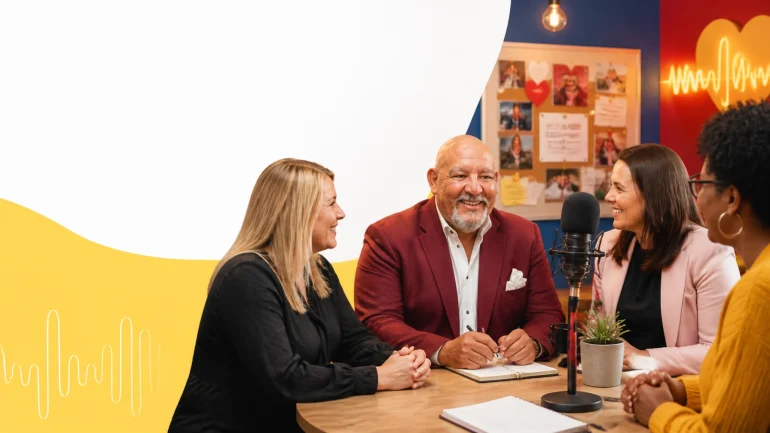
Airplay becomes more valuable when it starts a conversation. At Channel Radio, listeners can send dedications and messages to the studio, share their reactions and become part of the broadcast.
That means your song is not simply placed into the background. It can become part of a moment.
A listener may hear your track during a commute and send a message. Someone may dedicate it to a friend. Another listener may search for your music after hearing the presenter discuss your story.
This is the community side of radio that large algorithmic platforms cannot easily reproduce. The listener is not just being served content. They are participating in the station.

Musician questions: what should you do before submitting?
Do not send a careless submission and then blame radio for ignoring it. Your music deserves a professional presentation, and presenters need enough information to decide quickly.
Here is what you should prepare:
Choose your strongest track.
Do not automatically send the newest song. Send the one that best represents your voice, songwriting and current direction.Use a clear file name.
Include your artist name and track title. “Finalmix3newest2.mp3” tells a presenter nothing useful.Write a short artist introduction.
Keep it focused. Explain who you are, where you are based and what makes this release relevant.Tell the story behind the song.
A few genuine lines can help a presenter introduce your music properly. What inspired it? Who played on it? What should listeners notice?Include your important links.
Add your website, social profiles, streaming page and any electronic press kit. Make it easy for a curious listener to find you.Listen before you pitch.
Explore the Channel Radio web player and review the station schedule. Understand the sound and the shows before sending your work.Stay involved after submitting.
Follow the station, share your airplay professionally and engage with the community. One email is not a music career strategy.
If you are asking, “How do I get my song played on indie radio?”, the answer is not simply “send it everywhere.” Targeted submissions, a clear presentation and consistent relationship-building will take you further.
What listeners gain from choosing indie radio
Listeners should not accept a diet of predictable music when discovery is available. Indie radio gives you a reason to pay attention again.
You may hear an artist before they appear on larger playlists. You may discover a new folk release that has no advertising campaign behind it. You may find a song that connects with your own life because a presenter gives it the time and context it needs.
Channel Radio is available through an accessible online player, so you can listen from home, at work or on the move.

Your attention supports the artists you discover. Follow them, share their music, attend their shows and send a message when a song matters to you. That is how a broadcast becomes a community.
A note for local businesses and sponsors
The same trust that helps new musicians also helps local businesses reach people. Listeners build relationships with presenters over time, which makes a recommendation or sponsorship message feel more personal than a disconnected digital advert.
If you are a Kent business, pairing radio advertising with a digital package can give you both trusted on-air exposure and a useful online presence. You can learn more through Channel Radio’s article on why radio advertising is a trusted way to reach local customers.
Ask the station for the current media kit and Advertise With Us options. Sponsorship can include professionally produced advertising, repeated exposure and association with relevant programmes or community-led content.
Do not treat radio and digital as competing channels. Used together, they give your business repetition, credibility and a clearer route from awareness to action. Contact Channel Radio to discuss advertising, sponsorship and collaboration opportunities.
Give the music a proper chance
New artists do not need every gatekeeper to say yes. They need the right listeners, the right presenters and the right platform.
Pop channels will continue to serve familiar music. Algorithms will continue to reward momentum. That is the structure of the market.
But indie radio remains one of the places where curiosity still matters.
If you are an artist, submit your best work to newmusic@channelradio.co.uk, with your track, artist information and links. If you are a listener, tune into Channel Radio, send a dedication and tell us what you have discovered.
Start looking beyond the obvious playlist. Explore the eclectic mix. Support the presenters who take chances. Give folk, indie, soul, ambient and global tribal music the attention it deserves.
Your next favourite artist may be waiting somewhere the algorithm has not thought to look.
Top popular
Music, Economics, and Beyond
Stainless Steel Juicer – Making Juicing Fun And Easy
Me – Too Was Needed, But Has It Gone Too – Far?: 4 Considerations!
Why You Should Submit Folk Music to Channel Radio: Supporting the Biggest and Best Folk Music Station with Different Strokes
Don’t Trust Any Public Official, Who Won’t Address Infrastructure: 4 Examples