-
 play_arrow
Channel Player Channel Radio Web Player

music_note


Here's the truth most people don't tell you about radio: being a presenter is only one piece of a much bigger puzzle. And if you're limiting yourself to just thinking about being "on air," you're missing out on dozens of other career paths that might actually suit you better.
Let's face it, everyone thinks they want to be behind the mic. You imagine yourself spinning tunes, interviewing guests, and having that smooth radio voice. But what if your real talent lies in crafting the perfect show rundown? Or mixing audio so crisp it gives listeners goosebumps? Or even selling advertising packages that keep the station thriving?
You need to understand this right now: a radio station is like a symphony orchestra. The presenter might be the conductor everyone sees, but without the musicians, sound engineers, and stage crew, there's no show. And that's exactly why the Terence Starr Academy and Channel Radio offer you something most broadcasting schools won't, a chance to discover where you actually fit in this industry.
The Front of House: Life Behind the Mic
So you think you're a natural presenter? Maybe you are. But here's what nobody tells you, being great on air requires more than just a good voice and the ability to chat. It demands discipline, preparation, and the mental stamina to perform consistently, show after show.

As a radio presenter, you're the face (or rather, the voice) of the brand. You're building relationships with listeners who tune in week after week because they trust you. You're reading the room, even though you can't see anyone in it. You're thinking three steps ahead while simultaneously being completely present in the moment.
Here's what this role actually involves:
- Researching guests and topics before each show
- Crafting engaging questions that keep conversations flowing
- Reading scripts naturally without sounding like you're reading
- Operating the mixing desk while you're talking (yes, at the same time)
- Responding to live callers, texts, and social media in real-time
- Hitting your cues perfectly: no dead air, no overruns
If you're not prepared to put in the work, nothing serious will ever happen with your presenting career. The Terence Starr Academy doesn't just teach you how to sound good: it teaches you how to be professional, reliable, and genuinely engaging. Because let's be honest, Kent already has plenty of people who think they can talk into a microphone.
Behind the Scenes: The Unsung Heroes
Now here's where it gets interesting. For every person you hear on air at Channel Radio, there are multiple people working behind the scenes to make that magic happen. And guess what? These roles often pay better, offer more stability, and can be just as creative and fulfilling.
The Producer
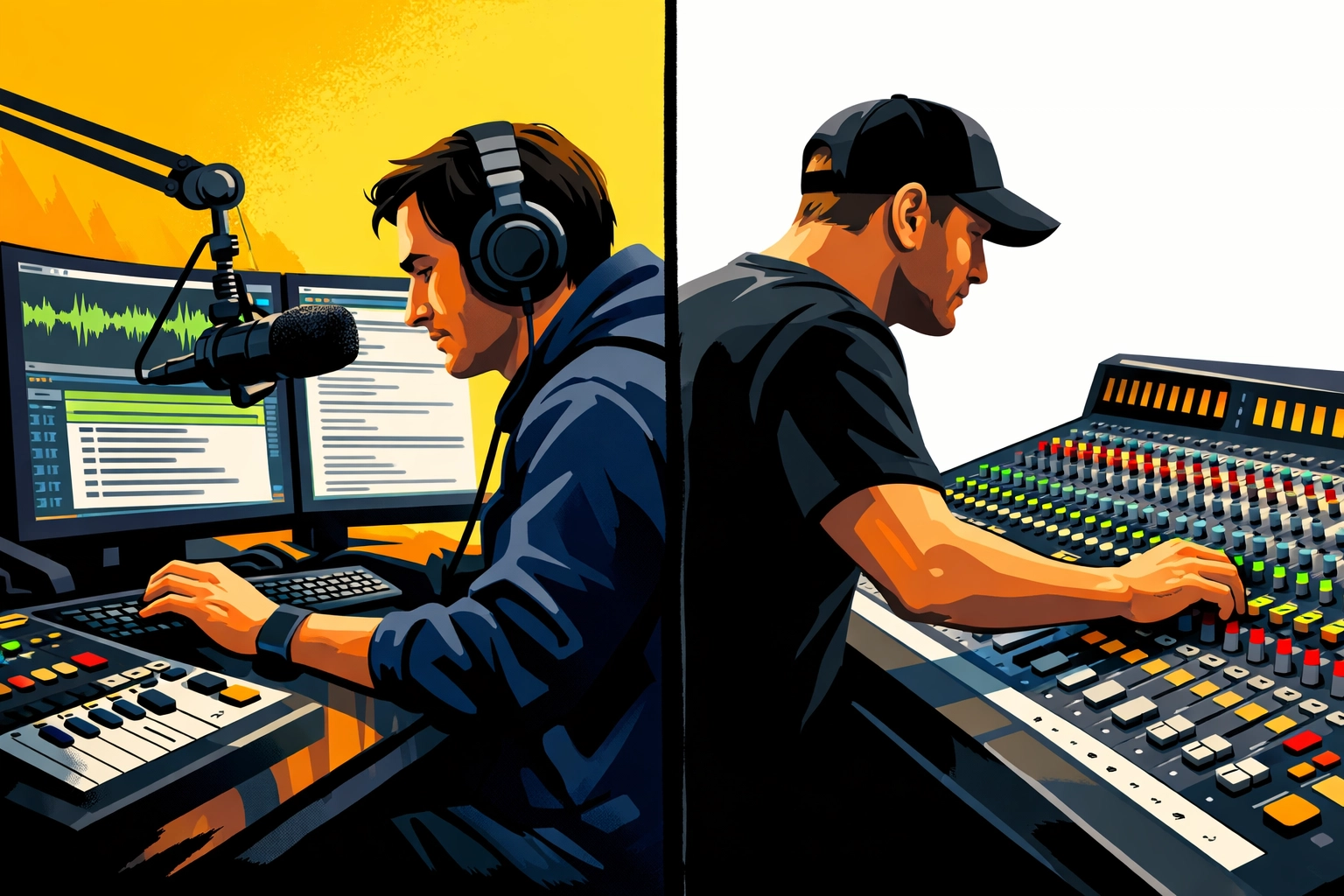
This is the person who makes the presenter look good. Full stop. A producer researches stories, books guests, structures the show, manages timings, and often operates the technical side while the presenter focuses on performing. You're the strategic brain behind the operation.
If you love organization, research, and the satisfaction of pulling together all the moving parts of a great show, this could be your calling. The Terence Starr Academy will show you how to build compelling rundowns, source interview subjects, and handle the hundred small crises that pop up during a live broadcast.
The Sound Engineer
Here's a role most people overlook: and it's absolutely critical. Sound engineers don't just "turn knobs." They craft the entire sonic experience. They mix music beds under speech, balance audio levels, edit recordings, and ensure everything that goes out sounds broadcast-quality.
At Channel Radio, our engineers work with professional equipment in a state-of-the-art studio. They're the difference between a show that sounds amateur and one that sounds like BBC Radio. And if you have an ear for detail and love the technical side of audio production, this path offers incredible creative satisfaction.
Sales and Commercial Team
Let's talk about something nobody wants to discuss but everyone should: radio stations need revenue to survive. And the people who bring in that revenue through advertising sales and sponsorships? They're absolutely essential.
If you're a people person with business acumen, this role can be incredibly rewarding. You're building relationships with local businesses, crafting advertising packages, and directly contributing to the station's success. At Channel Radio, our commercial team works with everyone from small Kent businesses to larger regional sponsors, creating partnerships that benefit everyone.
Want to know the real benefit? Sales roles typically offer commission structures that can significantly boost your earnings. While the presenter might get the glory, the sales team often takes home the bigger paycheque.
Marketing and Social Media
Radio doesn't exist in a vacuum anymore. Every station needs people who can build online communities, create engaging content for social platforms, design graphics, and grow the audience beyond traditional broadcasting.
If you're naturally creative with digital media, understand audience engagement, and can turn a great radio moment into viral content, this role bridges traditional broadcasting with modern digital strategy. The Terence Starr Academy recognizes this shift and includes digital marketing as part of the broader curriculum.
Traffic and Continuity
Someone needs to schedule every single element that goes out: from songs to adverts to pre-recorded segments. Traffic coordinators ensure that advertisers get their guaranteed spots, that music playlists are compliant with licensing, and that the station runs smoothly 24/7.
This role requires meticulous attention to detail. If you're the kind of person who loves spreadsheets, schedules, and making sure every element slots perfectly into place, you might just have found your home.

Why Channel Radio and the Terence Starr Academy?
Here's where we get real. Plenty of places will take your money and give you a certificate. But how many will actually prepare you for a real career in broadcasting?
The Terence Starr Academy isn't just a course: it's a gateway into an actual working radio station. You're learning from Terence Starr himself, someone who's built Channel Radio from the ground up and knows every single role inside and out. You're not learning theory from someone who left the industry ten years ago. You're getting current, practical knowledge from someone who's still doing it every single day.
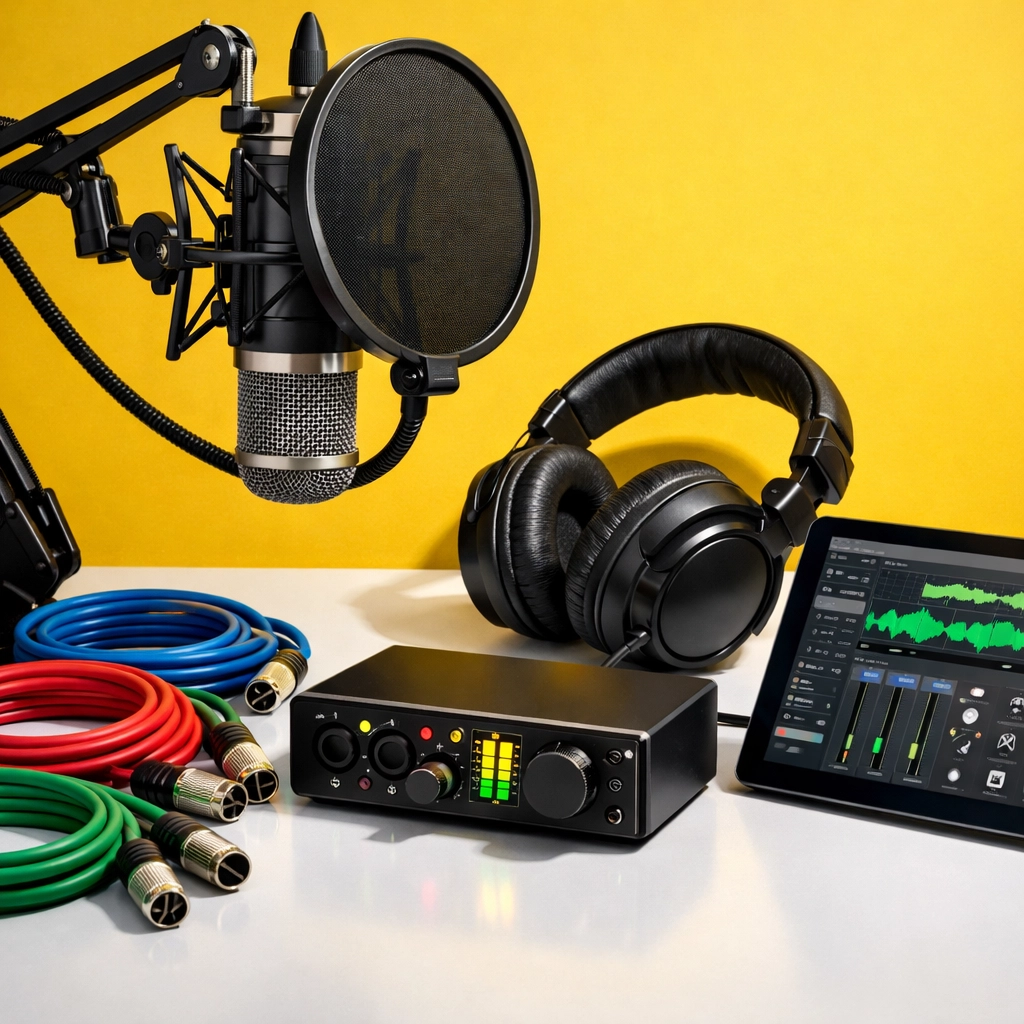
And here's the kicker: you get hands-on experience with professional equipment in a real broadcasting environment. You're not playing around with podcasting software on a laptop. You're working with the same mixing desks, microphones, and systems that commercial stations use. That experience is worth its weight in gold when you're applying for jobs.
Channel Radio also offers something unique: the chance to actually get on air or work behind the scenes as a volunteer or intern. Want to test whether you prefer presenting or producing? You can try both. Curious if sound engineering is your calling? Get your hands on the equipment and find out.
Finding Your Fit: A Practical Approach
So how do you figure out which role suits you? Start by honestly assessing your strengths. And I mean honestly: not what you wish your strengths were, but what they actually are.
Ask yourself these questions:
- Do you thrive in the spotlight or prefer working behind the scenes?
- Are you more creative or analytical?
- Do you love performing or problem-solving?
- Can you think on your feet or do you prefer thorough preparation?
- Do you want to be the voice people recognize or the person who makes things happen?
There's no wrong answer here. The radio industry needs all personality types. What matters is finding where your natural talents align with the role's requirements.
The Terence Starr Academy offers taster sessions and consultations where you can explore different aspects of radio work. You can sit in on a live show, watch a producer at work, see the commercial team in action, and get a feel for what resonates with you.
The Business of Broadcasting
Let's address something crucial: if you're serious about a career in radio, you need to understand it's a business. Channel Radio succeeds because it balances great content with smart commercial strategy. And the people who understand both sides? They're the ones who build lasting careers.
Whether you're presenting, producing, or working in sales, you're contributing to a commercial enterprise that needs to generate revenue. That means understanding your audience not just as listeners, but as potential customers for advertisers. It means creating content that's both engaging and commercially viable.
For local businesses looking to reach engaged listeners in Kent, Channel Radio offers targeted advertising opportunities that actually work. And the team that makes those campaigns successful? They're people who came through training just like you're considering now.
Your Next Steps
Here's what you need to do right now: stop thinking and start acting. Visit Channel Radio and explore what we do. Listen to our shows. Pay attention not just to what you hear, but to everything that must be happening behind the scenes to make it work.
Reach out to the Terence Starr Academy and book a consultation. Come see the studio. Meet the team. Ask questions. Try your hand at different roles and see what clicks.
Remember this: nobody starts out knowing everything. But the people who succeed are the ones who take that first step, commit to learning, and put in the consistent work required to master their craft. Whether you end up front of the mic or behind it, the broadcast industry rewards people who show up, work hard, and constantly improve.
The studio is waiting. The equipment is ready. The question is; are you?

Top popular
Music, Economics, and Beyond
Stainless Steel Juicer – Making Juicing Fun And Easy
Me – Too Was Needed, But Has It Gone Too – Far?: 4 Considerations!
Can the Crestron Home Automation System Be Integrated With Sonos?
Why You Should Submit Folk Music to Channel Radio: Supporting the Biggest and Best Folk Music Station with Different Strokes